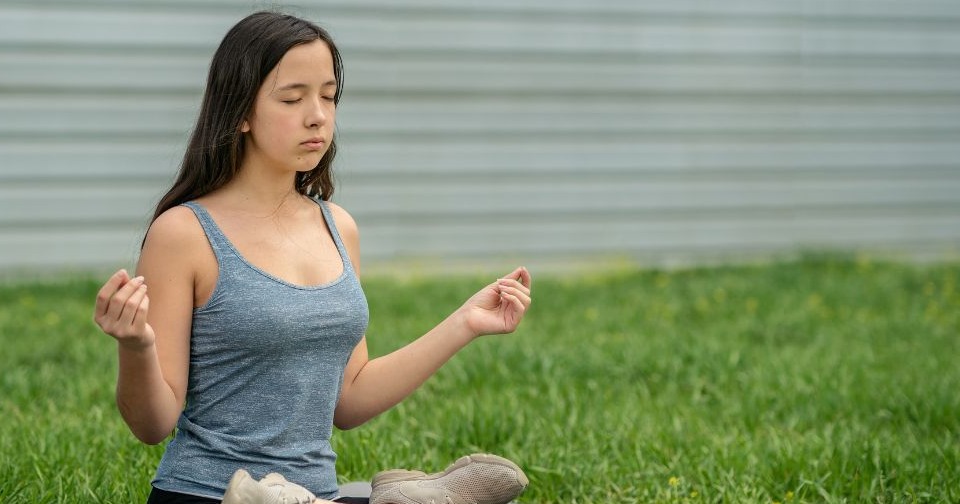
Introduction to Yoga as a Natural Stress Reliever
In a world increasingly fraught with stressors and daily pressures, the ancient practice of yoga emerges as a sanctuary for the mind and body. Yoga, renowned for its soothing effects, offers a holistic approach to reducing anxiety and fostering mental well-being. Unlike many modern remedies, yoga integrates body, mind, and spirit, providing a comprehensive framework for achieving inner peace. This practice is not just a physical workout; it’s a lifestyle that encourages balance, mindfulness, and tranquility.
Yoga’s ability to alleviate stress is deeply rooted in its focus on breathing techniques and mindful movements. These elements work in harmony to calm the nervous system, reduce cortisol levels, and promote relaxation. By engaging in yoga, individuals can experience a profound sense of calmness and clarity, making it an ideal solution for those seeking natural anxiety reduction strategies. Moreover, yoga’s adaptability ensures it caters to all fitness levels and ages, making it universally accessible.
Through a series of poses and meditative practices, yoga encourages practitioners to turn inwards, facilitating a deeper connection with oneself. This self-awareness is pivotal in recognizing and managing stress triggers. Furthermore, yoga studios such as Apex Wellness in Clarence, NY, offer a welcoming environment for individuals to explore these benefits in a community setting, fostering both personal growth and social connection.
For those interested in embracing yoga as a tool for stress relief, attending a class or incorporating a few minutes of practice into your daily routine can be transformative. As the journey unfolds, the principles of yoga can lead to a more centered, peaceful existence, reinforcing the belief that relief from anxiety is within reach, naturally.
Understanding the Connection Between Yoga and Mindfulness
The practice of yoga is deeply intertwined with the concept of mindfulness, forming a harmonious blend that offers profound benefits for both mental and physical well-being. At its core, yoga is not merely about physical postures or asanas; it is a holistic discipline that encourages the unity of body, mind, and spirit. This unity is achieved through mindful breathing, concentrated focus, and the practice of being present in the moment—all fundamental aspects of mindfulness.
Mindfulness involves cultivating an awareness of the present, acknowledging thoughts and feelings without judgment. Yoga facilitates this by encouraging practitioners to focus on their breath and bodily sensations during practice. This focus not only helps in reducing anxiety but also enhances one’s ability to remain calm and centered amidst life’s challenges. The deliberate, reflective nature of yoga practice nurtures an environment where mindfulness can flourish, leading to increased mental clarity and emotional resilience.
The Impact on Anxiety
One of the most compelling reasons individuals turn to yoga is its ability to reduce anxiety. The mindfulness practiced during yoga sessions helps in quieting the mind, reducing stress, and fostering a sense of inner peace. By engaging in yoga, individuals learn to cope with anxiety-provoking situations more effectively, developing a toolkit of mental strategies to manage stress responses.
The benefits of yoga and mindfulness are not confined to the yoga mat. They extend into daily life, empowering individuals to handle stressors with grace and composure. This makes yoga a valuable practice for those seeking not only physical health but also mental tranquility, ultimately supporting a balanced lifestyle.
Want to learn more about how yoga can transform your life? Explore our offerings at Apex Wellness, located in Clarence, NY. We’re here to guide you on your journey to a more mindful and anxiety-free life.
Exploring Different Yoga Styles for Stress Relief
In the realm of stress management, yoga emerges as a beacon of tranquility, presenting a myriad of styles that cater to the diverse needs of individuals seeking solace from anxiety and mental strain. Each yoga style offers unique benefits, addressing various aspects of mental and physical well-being. Understanding these styles can empower individuals to select practices that resonate with their personal stress-relief journeys.
Hatha Yoga: The Foundation of Serenity
Hatha yoga, often heralded as the foundation of all yoga styles, emphasizes slow-paced stretching with simple breathing exercises and seated meditation. It is an excellent choice for beginners due to its gentle approach, allowing practitioners to focus on alignment and relaxation. The deliberate movements in Hatha yoga enhance mindfulness, making it a potent tool for reducing stress and fostering a profound sense of calm.
Vinyasa Yoga: Flowing with the Breath
For those who appreciate fluidity and movement, Vinyasa yoga offers a dynamic sequence of poses synchronized with the breath. This style encourages a state of flow, where the connection between mind and body is seamless. The rhythmic nature of Vinyasa yoga not only builds physical strength but also acts as a moving meditation, helping to dissipate anxiety and promote mental clarity.
Restorative Yoga: Embracing Stillness and Rest
In contrast, Restorative yoga focuses on deep relaxation through passive stretching. Poses are held for extended periods, supported by props such as bolsters and blankets, enabling complete surrender to relaxation. This style is particularly beneficial for stress relief as it allows the nervous system to calm down, reducing tension and restoring balance to the mind and body.
- To delve deeper into these practices, connect with local studios like Apex Wellness in Clarence, NY, where experienced instructors can guide your journey to tranquility.
Embracing yoga as a means to alleviate stress not only nurtures the body but also cultivates a resilient mind. Each style serves as a unique pathway to inner peace, allowing practitioners to find the right balance that suits their lifestyle. If you’re ready to explore these transformative practices, contact us today to discover more about how yoga can enhance your well-being.
The Science Behind Yoga and Anxiety Reduction
Yoga has been celebrated not only for its physical benefits but also for its profound ability to alleviate anxiety. The practice is deeply rooted in a harmonious blend of physical postures, breath control, and meditation, which collectively work to soothe the mind and body. Scientific research has increasingly shed light on how yoga impacts anxiety, offering both empirical and experiential insights that resonate with those seeking peace of mind.
How Yoga Influences the Nervous System
At the core of yoga’s anxiety-reducing power is its effect on the nervous system. Practicing yoga activates the parasympathetic nervous system, which is responsible for the ‘rest and digest’ state, counteracting the ‘fight or flight’ response triggered by anxiety. This shift encourages relaxation and reduces the physiological symptoms of stress, such as elevated heart rate and blood pressure.
Breathing Techniques and Mindfulness
Breath control, or pranayama, is a cornerstone of yoga that plays a significant role in anxiety reduction. Deep, mindful breathing can lower cortisol levels—the hormone associated with stress—thereby fostering a sense of calm and balance. Mindfulness, another integral aspect of yoga, encourages present-moment awareness and acceptance, which helps in reducing anxious thoughts and improving emotional regulation.
The Role of Physical Postures
Beyond breathing and meditation, the physical postures or asanas in yoga contribute to alleviating anxiety. These movements encourage the release of endorphins, the body’s natural mood elevators. Furthermore, practicing these postures can improve self-awareness and boost confidence, providing a holistic approach to managing anxiety.
Embracing yoga as a routine practice offers a path to not only reduce anxiety but also enhance overall well-being. Its accessibility and versatility make it a valuable tool for anyone looking to conquer anxiety and achieve a balanced state of mind.
Practical Tips for Incorporating Yoga Into Daily Life
Integrating yoga into your everyday routine can be both rewarding and transformative, offering a natural path to alleviate anxiety. Whether you are new to yoga or have been practicing for years, these practical tips will help you weave yoga seamlessly into your daily life, reflecting a commitment to wellness and tranquility.
Start with Short, Consistent Practices
Embarking on a yoga journey doesn’t require hours of dedication each day. Begin with short, manageable sessions to establish a consistent habit. Even a mere 10 to 15 minutes of focused practice each morning or evening can significantly impact your mental well-being. Choose a quiet space in your home where you can practice undisturbed, allowing you to enter a peaceful state of mind.
Explore Different Yoga Styles
The world of yoga is vast, with various styles offering unique benefits. If your goal is to reduce anxiety, consider gentle practices such as Hatha or Yin yoga, which focus on slow movements and deep, calming breaths. These styles can help lower cortisol levels, the hormone associated with stress, providing a profound sense of relaxation.
Incorporate Mindful Breathing
Mindful breathing is an integral part of yoga that can be practiced anytime, anywhere. Throughout your day, take moments to engage in deep, controlled breaths, which can instantly calm the nervous system and reduce anxiety. This practice can be especially beneficial during stressful situations, helping you maintain composure and clarity.
Leverage Technology
In today’s digital age, numerous apps and online platforms offer guided yoga sessions tailored to various needs and skill levels. These resources can be invaluable for those unable to attend in-person classes, providing flexibility and accessibility to fit yoga into your schedule.
By incorporating these practical tips, you can transform yoga into a cornerstone of your daily routine, promoting a healthier, more balanced lifestyle. Ready to dive deeper? Explore our resources or join a local class to elevate your practice. Have questions or need guidance? Feel free to reach out and connect with us. Embrace the journey towards serenity and well-being through the art of yoga.